
Led Energy Saving Light Bulb

Led Energy Saving Light Bulb

LED energy saving, no heavy metals for environment, wide colour temperature, super long working life.
Excellent quality LED, high brightness, low attenuation, special heat dissipation instruction.
Application for corridors,toilets,garages,parking lots,security lamps,anti-theft lamp.
Send Inquiry
Description
Products Description


product-733-281


DC24V AC36V LED Bulb Light 9W
1. High quality chip in ALU+PC body
2. High quality driver with minimized Flickering
2. Luminous Efficiency: ≥ 85
3. CRI: 80
4. Customized base cap: E27, B22
5. Dimmable models available
6. bean angle: ≥ 200°
7. our led bulb 9w e27 quality enjoy an good market
8. Lifetime of 25000 hours, 2 years warranty

Product Name

led energy saving light bulb

TMaterial

Aluminum

Power

3W5W7W9W

Voltage

DC 12-48V

AC 85-265V

Type of Lamp Base

E27/B22/E14

Size

60/70/80

Beam Angle

120°


LED products feature excellent quality with high brightness and minimal light decay, benefiting from specialized heat dissipation mechanisms.They also include robust anti-interference capabilities, emit no ultraviolet radiation, and generate no pollution or harmful noise.


20230516164455


led-spotlight57dfc6f6-d765-40ec-9ccb-01058eedd527

Led Spot Light

An LED grow light is a type of artificial lighting specifically engineered to provide the light wavelengths that plants need for photosynthesis. These lights are designed to mimic the spectrum of natural sunlight, which is critical for plant growth, flowering, and fruiting.

LED Filament Bulb

LED Filament Bulb

An LED filament bulb is a type of light-emitting diode (LED) bulb that replicates the look of traditional incandescent bulbs with their visible filament. Despite its appearance, the filament in an LED filament bulb does not emit light; instead, it serves an aesthetic purpose, harkening back to the design of older bulbs. The actual illumination comes from tiny LEDs that are strategically placed either behind the filament or within the glass bulb itself.
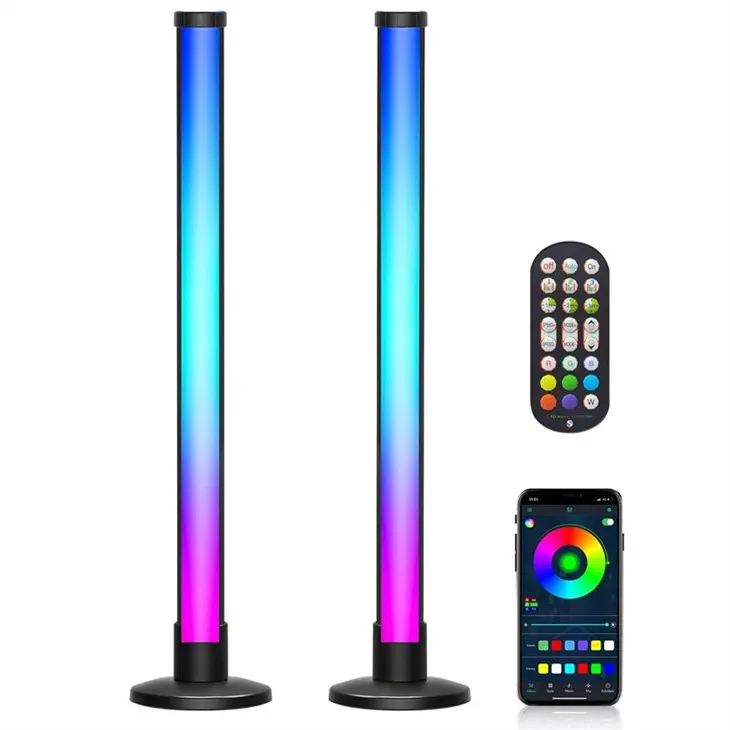
RGB Smart Light Bar

RGB Smart Light Bar

An RGB Smart Light Bar is a versatile lighting solution that combines red, green, and blue (RGB) LEDs with smart technology, allowing users to control the color, brightness, and even the patterns or animations produced by the light bar through a mobile app, voice commands, or integration with smart home systems like Amazon Alexa, Google Assistant, or Apple HomeKit.

LED Festoon Light String

LED Festoon Light String

LED Festoon Light String is a type of decorative lighting consisting of a series of small globe-shaped bulbs connected by a single wire.They are designed to add a festive atmosphere and are commonly used for outdoor events, weddings, parties, and holiday decorations.

LED Filament Bulbs For Decoration

LED Filament Bulbs For Decoration

LED filament bulbs widely used in indoor and outdoor, it has good waterproof performance, and high brightness, lighting capacity is strong, decorative is also very good


What is Led Energy Saving Light Bulb


An LED energy-saving light bulb is a type of solid-state lighting device that uses light-emitting diodes (LEDs) as its source of illumination. Unlike traditional incandescent bulbs that convert most of their energy into heat, LEDs convert electricity into light more efficiently, resulting in significant energy savings. These bulbs are designed to provide the same amount of light output, measured in lumens, while using a fraction of the wattage required by incandescent bulbs.


Features of Led Energy Saving Light Bulb


Energy Efficiency and Cost Savings
One of the most immediate benefits you'll notice when switching to Led Energy Saving Light Bulb is the significant energy efficiency and cost savings. Unlike traditional incandescent bulbs, LEDs use less power to produce the same amount of light, meaning they can save about six times the energy. This efficiency translates directly into savings on your electric bill, as LEDs are estimated to be 80-90% more energy-efficient.


Longevity and Maintenance
Another standout feature of Led Energy Saving Light Bulb is their long life. While a standard incandescent bulb may last approximately 2,000 hours, an LED bulb can continue to shine for an impressive 75,000 hours or more, depending on usage. This incredible longevity means you won't be replacing your bulbs as often, saving you time and money on maintenance costs.


How to Choose Led Energy Saving Light Bulb
 

LED Bulb Shapes and Sizes
Led Energy Saving Light Bulb come in four primary categories: A-shape, reflectors, decorative, and specialty. A-shape LEDs are the most common type and are frequently used throughout the home. When you think of a light bulb, you typically picture an A-shape bulb. Reflectors are often used for outdoor lighting; you've probably heard them referred to as flood or spotlights. They're conical in shape and cast a more defined beam.


From Watts to Lumens
If you'll be using LEDs to replace incandescent or halogen bulbs, it's important to understand the difference between a watt and a lumen. Watts are a measure of energy consumption. Lumens are a measure of the amount of light produced, where a higher number of lumens indicates a brighter bulb. A bulb's efficiency is measured in lumens per watt, which describes how much energy it takes to produce one lumen of light. Incandescent bulbs only produce around 15 lumens/watt, while LEDs produce a whopping 75-100 lumens/watt, making them six times more efficient.


Warm and Cool LEDs
LEDs have diverse capabilities, including a customizable tone. Tone refers to the color quality of light, which is measured in Kelvin (K). Lower Kelvin light, between about 1000 and 4000K, is qualified as "warm light" and has an amber quality to it. Higher Kelvin light, which is anything above 7000K has a blue quality.


How to Maintain Led Energy Saving Light Bulb
 

Proper Installation
Ensure that the LED bulb is screwed in securely and fits snugly into the socket. A loose connection can lead to flickering and reduced light output.


Use Correct Wattage
Always use bulbs with the recommended wattage for your fixture. Using higher wattage bulbs than specified can cause overheating and shorten the bulb's lifespan.


Avoid Frequent On/Off Cycling
Turning the bulb on and off frequently can wear out the electronic components inside the bulb. While modern LED bulbs are designed to handle this better than older models, it's still wise to minimize unnecessary switching.


Dimming Compatibility
If you plan to use a dimmer switch, make sure the LED bulb is rated for dimming. Not all LED bulbs are compatible with standard dimmers, and using the wrong type can result in poor performance or damage to the bulb.

LED Filament Bulb


RGB Smart Light Bar

Thermal Management
Keep the area around the bulb clear of obstructions that might block airflow and cause the bulb to overheat. Avoid enclosing LED bulbs in completely sealed fixtures unless specifically designed for use with LEDs.


Dust Prevention
Dust accumulation on the bulb can reduce light output and potentially affect the heat dissipation. You can gently clean the bulb with a dry cloth if needed, but avoid using water or chemicals which could damage the bulb's exterior.


Replace When Necessary
Although LED bulbs last a long time, they will eventually need to be replaced. Look for signs of deteriorating performance, such as noticeably dimmer light output or a change in color temperature.


Frequently Asked Questions


Q: How do LED energy-saving light bulbs work?

A: LED bulbs work through semiconductors called diodes that emit light when an electric current passes through them. Unlike traditional incandescent bulbs that waste most of their energy as heat, LEDs convert a larger portion of electricity directly into light, making them much more efficient.

Q: What are the main benefits of using LED energy-saving light bulbs?

A: LED bulbs offer numerous benefits, including significant energy savings, longer lifespans, lower carbon footprints, reduced maintenance costs, and enhanced durability. They also provide immediate full brightness, contain no mercury, and emit very little heat.

Q: Are LED light bulbs suitable for all types of lighting fixtures?

A: While LED bulbs are versatile and can fit many standard fixtures, there are some considerations. For example, they may require a higher initial investment than other bulb types. Additionally, not all LED bulbs are compatible with dimmer switches, so it's important to check the product specifications before purchasing.

Q: How long do LED energy-saving light bulbs typically last?

A: The average lifespan of an LED bulb is around 25,000 to 50,000 hours, which is approximately 25 to 50 times longer than a traditional incandescent bulb and three to four times longer than a compact fluorescent lamp (CFL). The actual lifespan can vary depending on factors like usage patterns and the quality of the bulb.

Q: Do LED light bulbs contain harmful substances?

A: LED bulbs do not contain mercury, unlike CFLs, which makes them safer for the environment and easier to dispose of responsibly. However, some LED bulbs may contain small amounts of other potentially hazardous materials, so it's always best to follow local recycling guidelines when disposing of them.

Q: Can LED light bulbs be used with existing dimmer switches?

A: Not all LED bulbs are designed to work with dimmer switches. Those that are compatible will usually be labeled as such. It's essential to check the product specifications before attempting to use an LED bulb with a dimmer switch, as incorrect use can lead to reduced bulb lifespan or even premature failure.

Q: What color temperatures do LED light bulbs come in?

A: LED bulbs are available in a variety of color temperatures, typically ranging from warm white (around 2700K) to cool white (around 6500K). Some bulbs offer tunable color temperatures or even full-color spectrum capabilities. The color temperature chosen can greatly affect the ambiance and functionality of a space.

Q: How much energy do LED light bulbs save compared to traditional bulbs?

A: LED bulbs use between 25% to 80% less energy than incandescent bulbs, depending on the wattage and lumen output. For example, a 10-watt LED bulb can produce the same amount of light as a 60-watt incandescent bulb, resulting in significant energy savings over time.

Q: Do LED light bulbs emit UV radiation?

A: LED bulbs emit very little UV radiation compared to traditional light sources. This makes them a healthier option for areas where exposure to UV light is a concern, such as art galleries or sensitive skin areas.

Q: Are LED light bulbs suitable for outdoor use?

A: Yes, LED bulbs are suitable for outdoor use. They are often designed to be weatherproof and resistant to temperature changes and humidity. However, it's crucial to choose bulbs rated for outdoor use and to protect them from direct exposure to moisture and water.

Q: Can LED light bulbs be used in enclosed fixtures?

A: Most LED bulbs are designed to be used in fully enclosed fixtures. However, it's always best to check the manufacturer's recommendations to ensure that the bulb will perform optimally in the intended environment. Enclosed fixtures can affect a bulb's heat dissipation, which is critical for maintaining its lifespan and performance.

Q: What is the difference between an LED bulb and an LED tube light?

A: LED bulbs and LED tube lights serve similar purposes but differ in form factor and installation methods. LED bulbs are designed to replace traditional incandescent or CFL bulbs and can be used in various fixtures. LED tube lights are designed to fit into fluorescent fixtures and typically require a different installation process involving removing the existing fluorescent tubes and installing new LED tubes in their place.

Q: Do LED light bulbs generate heat?

A: LED bulbs generate some heat, but significantly less than incandescent bulbs. The heat is typically dissipated through the bulb's housing or base. Proper thermal management is crucial for maintaining the bulb's lifespan and performance, which is why it's important to allow for adequate airflow around the bulb.

Q: How do I dispose of an LED light bulb responsibly?

A: To dispose of an LED bulb responsibly, check with your local waste management authority or recycling center to find out about their policies for recycling electronics and hazardous materials. Many retailers also offer take-back programs for spent LED bulbs. It's essential not to dispose of LED bulbs in regularhousehold trash due to their potential to contain hazardous materials.

Q: Can LED light bulbs be used in hazardous locations?

A: Some LED bulbs are designed for use in hazardous locations, such as those containing flammable vapors or dust. These bulbs are typically rated for use in Class I, II, or III Division 1 or 2 environments, as defined by the National Electrical Code (NEC). When purchasing LED bulbs for hazardous locations, always look for products that meet the necessary certifications and standards.

Q: Do LED light bulbs contain any toxic materials?

A: LED bulbs are generally considered more environmentally friendly than other types of light bulbs because they do not contain mercury or other toxic materials commonly found in CFLs. However, they may contain trace amounts of other potentially hazardous substances, such as lead or arsenic, which can be present in the electronic components or solder used in the bulb's construction. It's essential to follow proper disposal procedures to minimize any environmental impact.

Q: What is the lifespan of an LED light bulb compared to other types of bulbs?

A: The lifespan of an LED bulb varies depending on the quality of the bulb and how it's used but typically ranges from 25,000 to 50,000 hours. This compares to a lifespan of around 750 to 2,000 hours for incandescent bulbs and 8,000 to 15,000 hours for CFLs. The longer lifespan of LED bulbs results in fewer replacements and lower maintenance costs over time.

Q: How do I choose the right LED light bulb for my needs?

A: Choosing the right LED light bulb involves considering several factors, including the desired brightness level (measured in lumens), the color temperature (warm white, soft white, daylight), the bulb shape and size, and whether the bulb will be used with a dimmer switch. It's also important to consider the specific requirements of the fixture in which the bulb will be used, such as the maximum wattage and whether it's fully enclosed.

Q: Do LED light bulbs have warranties?

A: Many LED light bulb manufacturers offer warranties that cover defects in material and workmanship. Warranty periods vary by brand and model but typically range from one to five years. Some companies may even offer limited lifetime warranties on their LED bulbs. Before purchasing an LED bulb, it's always a good idea to check the manufacturer's warranty policy.

Q: Can LED light bulbs be used in recessed lighting fixtures?

A: Yes, LED light bulbs can be used in recessed lighting fixtures, but it's essential to choose bulbs specifically designed for this purpose. Recessed lighting fixtures typically have a maximum allowed wattage and may require a bulb with a specific shape or base. It's also important to ensure that the bulb produces enough light to adequately illuminate the space. When selecting an LED bulb for recessed lighting, always consult the fixture's specifications and follow the manufacturer's recommendations.

Hot Tags: led energy saving light bulb, China led energy saving light bulb suppliers, manufacturers, factory, led filament bulbs for decoration, , led filament bulbs for decoration

Send Inquiry