
Shenzhen Midoriled Co., Ltd. :Your Professional LED Power Supply Manufacturer !
Midoriled is a professional LED manufacturer with the goal of providing quality LED technology, great customer service, and superior product support to our customers. Over the years we’ve expanded to be one of the largest leading suppliers of LED lighting and accessories in China. We now serve all types of customers within the Industrial, Commercial, Vehicle, Residential, and Landscape sectors. We’re constantly looking out for new products and adding more to our existing product lines.
Rich Products
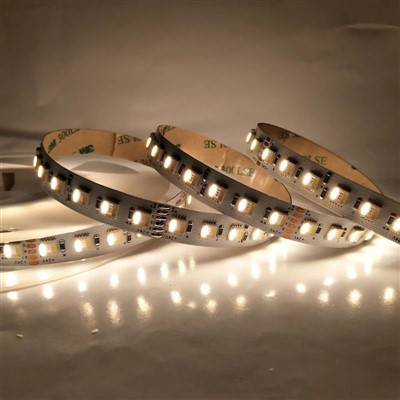
We specialize in LED linear strips, LED modules, LED wall washers, LED fluorescent lights, LED spotlights, LED accessories and so on, all of which are widely used in urban lighting decoration, advertising light boxes backlight, and indoor home.
Quality Assurance
Midoried has a well-trained team including full experienced technicians and salesman. All our offerings are CE and SGS certified and are the preferred choice of architects, lighting designers, and electrical contractors because of their robust construction, durability, and top-notch color rendering capability.
Unmatched Warranty
We guarantee their quality with up to 3 years of warranty on most of our LED Strips. If the color temperature, brightness, or size does not work for your project, you can return them back to us hassle-free.
Leading Service
We have many years of industry experience, a complete production management, quality supervision, and sales service operation system. Whether you want to purchase LED strip lights or LED modules, just email your requirements and we can customize the product for you.
-
![LED Power Supply 12v]() LED Power Supply 12v1. Constant voltage designview more
LED Power Supply 12v1. Constant voltage designview more
2. Universal AC input / Full range
3. Withstand 300VAC surge input for 5 seconds -
![UL LED Power Supply]() UL LED Power SupplyAll parameters NOT specially mentioned are measured at 230VAC input, rated load and 25℃ of ambient temperature.view more
UL LED Power SupplyAll parameters NOT specially mentioned are measured at 230VAC input, rated load and 25℃ of ambient temperature.view more -
![24v LED Driver]() 24v LED Driver1. AC input range selectable by switch.view more
24v LED Driver1. AC input range selectable by switch.view more
2. Protections: Short circuit/Overload/Over voltage/Over temperature.
3. Cooling by free air convection.


What is LED Power Supply?
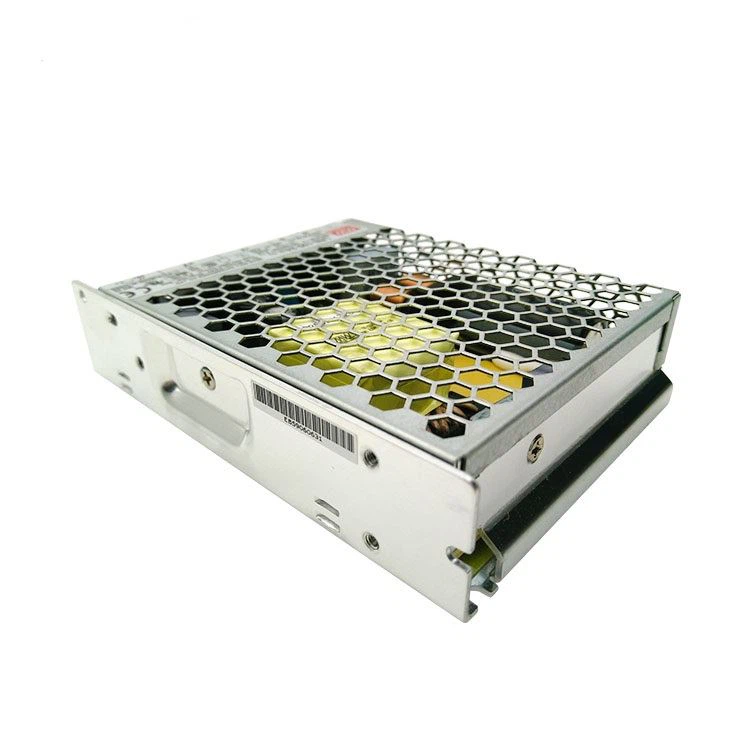
An LED power supply, also referred to as an LED driver, is a device that converts electrical energy into the specific voltage and current required by LED light fixtures to function. They are designed to convert input power, such as AC or DC high or low voltage, into the output voltage and current necessary for LED lights to operate properly and protect against various types of overvoltage, under-voltage, open circuit, and over-current issues.
An LED power supply, often referred to as an LED driver, is a unique type of power supply that significantly deviates from its counterparts, having been specifically designed to cater to the needs of LED lights. Here are some benefits of LED power supplies.
Voltage Regulation
LEDs require a specific voltage to operate effectively and safely. LED power supplies regulate and stabilize the voltage supplied to the LEDs, ensuring that they receive the correct voltage range for optimal performance and longevity.
Current Control
LEDs are current-driven devices, meaning they require a constant current to operate efficiently. LED power supplies manage the current flow to the LEDs, providing a consistent and steady current to ensure uniform brightness, color accuracy, and reliability.
Compatibility
LED power supplies bridge the gap between the electrical system and the LED lighting fixtures. They ensure compatibility by converting the input voltage from the power source (e.g., AC mains) to the appropriate voltage and current levels needed by the LEDs.
Energy Efficiency
LED power supplies contribute to energy efficiency by converting the power supply to a lower voltage and regulating the current flow. They minimize energy losses and optimize power consumption, allowing LEDs to operate at their highest efficiency levels.
Dimming and Control
LED power supplies enable dimming and control capabilities for LED lighting systems. They provide the necessary circuitry to facilitate smooth dimming functionality, allowing users to adjust the brightness and create different lighting atmospheres.
Protection and Safety
LED power supplies incorporate various protection features to safeguard the LEDs and the driver itself. These features can include over-voltage protection, over-current protection, short-circuit protection, and temperature monitoring. LED drivers ensure the safe and reliable operation of the LED lighting system.
Compatibility with Electronic Control Systems
LED power supplies often have compatibility with electronic control systems, such as lighting control protocols (e.g., DALI, DMX) or smart home automation systems. This enables integration and synchronization of LED lighting with other devices or systems, providing enhanced functionality and control.
Types of LED Power Supply
There are several types of LED power supplies available, each designed to meet specific requirements and applications. Here are some common types:
Constant Voltage Power Supplies
Constant voltage LED power supplies deliver a fixed voltage output, typically 12V or 24V, to LED lighting systems. They are commonly used in applications where multiple LEDs are connected in parallel and require a consistent voltage supply. These power supplies ensure stable illumination across the LEDs and are suitable for architectural lighting, LED sign, and other similar applications.
01
Constant Current Power Supplies
Constant current LED power supplies provide a steady current output to the LEDs. They are often used when LEDs are connected in series and require a uniform current flow. Constant current power supplies are prevalent in applications such as downlights, spotlights, and high-bay lighting, where precise current regulation is crucial for optimal performance.
02
Dimmable Power Supplies
Dimmable LED power supplies allow for adjustable light output, providing flexibility and control over lighting levels. These power supplies enable users to dim or adjust the brightness of LED lighting systems according to their preferences. Dimming LED lights not only allows for creating different ambiance and moods but also contributes to energy savings by reducing power consumption when full brightness is not required.
03
AC LED Power Supplies
AC power supplies are designed to directly convert AC (alternating current) voltage to the required DC (direct current) voltage for LEDs. They eliminate the need for an external AC-DC power supply or LED driver and are often used in retrofit applications where existing AC infrastructure is available.
04
Integrated Power Supplies
Integrated power supplies are built directly into the LED module or bulb. They offer a compact and simplified solution, as the driver and LED are housed in a single unit. Integrated power supplies are commonly found in LED bulbs, downlights, and other small-scale lighting fixtures.
05
Application Areas of LED Power Supply
LED power supplies are used in various applications where light-emitting diodes (LEDs) are employed. Here are some common areas where LED power supplies are used:
Residential Lighting
LED power supplies are used in residential lighting fixtures, including LED bulbs, downlights, track lights, and under-cabinet lights. They provide the necessary power and regulate the current to ensure the LEDs operate efficiently and with the desired brightness.
Commercial and Office Lighting
LED power supplies are widely used in commercial and office spaces for general lighting, task lighting, and accent lighting. They are found in recessed lights, panel lights, troffers, and linear fixtures to power and control the LED modules.
Street and Outdoor Lighting
LED power supplies are utilized in streetlights, parking lot lights, and outdoor floodlights. They regulate the current and voltage to ensure consistent and reliable performance of the LEDs, even in outdoor and harsh environmental conditions.
Automotive Lighting
LED power supplies are an essential component in automotive lighting systems, including headlights, taillights, daytime running lights, and interior lighting. They provide the necessary power and control for the LEDs to achieve optimal brightness and functionality.
Signage and Display Lighting
LED power supplies are commonly used in illuminated signs, channel letters, display boards, and digital signage. They enable precise control of the LEDs, ensuring uniform illumination and proper brightness levels.
Decorative and Architectural Lighting
LED power supplies are employed in decorative lighting applications, such as strip lights, rope lights, and LED tape lights. They allow for customization of colors, dimming capabilities, and dynamic lighting effects.
Industrial and Warehouse Lighting
LED power supplies are used in high-bay lights, low-bay lights, and industrial fixtures for efficient and reliable illumination in warehouses, factories, and industrial facilities.
Entertainment and Stage Lighting
LED power supplies play a vital role in entertainment and stage lighting systems, including concert lighting, theater lighting, and architectural lighting. They provide control over color mixing, dimming, and various lighting effects.
Read the Installation Manual Carefully
Before you start installing your LED power supply, it is important to read the installation manual carefully. The manual will provide you with detailed instructions on how to properly install the power supply, as well as safety guidelines that must be followed during the installation process. It is also important to make sure that all of the necessary tools and materials are available before beginning the installation process.
Make Sure You Have All Necessary Parts
When installing an LED power supply, it is important to make sure that you have all of the necessary parts and components before beginning the process. These parts include the power supply itself, mounting brackets, screws, washers, nuts, and any other accessories required for a successful installation.
Choose an Appropriate Location
When selecting a location for your LED power supply, it is important to choose one that is away from direct sunlight and moisture. This will help ensure that your LED lights last longer and operate more efficiently. Additionally, make sure to select a location where there is plenty of space for airflow around the power supply in order to keep it cool while in operation.
Connect Power Supply Wires
Once you have chosen an appropriate location for your LED power supply, it’s time to connect its wires according to the instructions provided in the manual. When connecting wires, make sure they are securely fastened using wire nuts or electrical tape so they won’t come loose over time due to vibration or movement.
Install Mounting Brackets
Next, install mounting brackets onto a wall or other flat surface near your chosen location for your LED power supply using screws or bolts as indicated in your manual’s instructions. Make sure these brackets are securely fastened and level so they can support the weight of your power supply without any issues once installed.
Connect Ground Wire
Now, it’s time to connect the ground wire from your LED power supply to a metal junction box or other grounding device, as indicated in your manual’s instructions, for safety reasons. This will help protect against electric shock if there are any problems with wiring or other components within your system down the line.
Attach Power Supply Unit
Once all of these steps have been completed successfully, attach your LED power supply unit to its mounting brackets using screws or bolts as indicated by manufacturer specifications within your manual’s instructions. Make sure all connections are secure before powering up and testing out your new system.
Test System After Installation
Once you have finished installing and attaching all necessary components for your LED light system, test out each individual component by powering them up individually first before turning on all lights at once. This will help ensure that everything has been connected correctly and functioning properly prior to use.
Program Settings According to Your Needs
Depending on what type of lighting system you have installed, you may need to program certain settings such as color temperature, dimming capabilities, etc. Refer back to manufacturer specifications within your manual’s instructions when programming these settings according to what best suits your needs.
To ensure optimal performance of your LED lighting system, consider the following maintenance tips of LED power supplies:
Regular Inspections
Conduct regular checks on your LED power supply to spot any potential issues early. Look out for any signs of wear and tear, such as discoloration or burn marks, as they may indicate a failing power supply. Regular inspections can help prevent sudden breakdowns and maintain the efficiency of the LED lights.
Cleanliness
Keeping the LED power supply clean can also improve its lifespan. Dust and debris can accumulate and cause overheating, resulting in damage over time. Cleaning the power supply periodically with a dry cloth or a can of compressed air can keep it functioning efficiently.

Temperature Control
High temperatures can affect the performance of an LED power supply, reducing its lifespan significantly. Ensure the power supply is in a cool environment and not exposed to excessive heat. If the power supply becomes too hot to touch, it may be working under too much load.
Proper Ventilation
Proper ventilation is crucial to keep the LED power supply at an optimal temperature. Poor ventilation can cause overheating, leading to a decrease in performance and potential failure. Ensure the power supply has enough space around it for proper air circulation.
Protection Against Voltage Spikes
Voltage spikes can damage the LED power supply. Consider installing surge protectors to shield your power supply from sudden voltage surges. This can protect the power supply and prolong its lifespan.
LED power supplies play a crucial role in maximizing the benefits of LED lighting systems. They provide a stable and efficient power source, ensuring optimal performance and longevity of LED lights. When selecting an LED power supply, consider the following factors:
Input and Output Voltage
It is crucial to check the input and output voltage of the LED power supply before making a purchase. LED lights typically require a low voltage DC power supply, so make sure that the input voltage range of the power supply is compatible with your LED lights.
Wattage
The wattage rating of the power supply should be equal to or higher than the total wattage of your LED lights. This ensures that the power supply can handle the load and prevent any overheating or damage.
Efficiency
Efficiency is a key determinant when selecting an LED power supply. A highly efficient power supply consumes less energy, thus reducing operational costs. Additionally, higher efficiency typically means less heat generation, contributing to the longevity of both the power supply and LED lights.
Size and Compatibility
Make sure to check the size and compatibility of the LED power supply with your existing setup. If you are replacing an old power supply, ensure that the new one is the same size or smaller to fit in the designated space.
Safety Certifications
Always opt for a LED power supply that has safety certifications such as UL (Underwriters Laboratories) or CE (Conformité Européenne). These certifications ensure that the product has undergone rigorous testing and meets safety standards.
Warranty
A good LED power supply should come with a warranty to protect your investment in case of any defects or malfunctions. Make sure to read the warranty terms carefully before making a purchase.
Longevity
Longevity is another critical factor. An LED power supply with a longer life expectancy ensures that you don’t have to replace it frequently, reducing maintenance costs. Look for power supplies that come with protective features, such as overvoltage and thermal protection, as they tend to last longer.
Versatility
Versatility refers to the power supply’s capability to work with various LED types and configurations. A versatile power supply allows for more flexibility when designing or upgrading your lighting system. This might include the ability to power different types of LEDs or to be used in different environmental conditions.
Dimming Capabilities
Consider whether the LED power supply has dimming capabilities. If you require adjustable lighting levels, a power supply with a built-in dimming function is essential. This feature allows you to control the brightness of your LED lights to suit your needs.
Protection Functions
LED power supplies should also have a range of protection features to ensure that the LED lighting equipment operates safely and stably under various emergencies. These features may include short circuit protection, overheat protection, over current or voltage protection, and more.
Frequently Asked Questions
We're professional led power supply manufacturers and suppliers in China, specialized in providing high quality customized products. If you're going to buy discount led power supply in stock, welcome to get pricelist from our factory.